

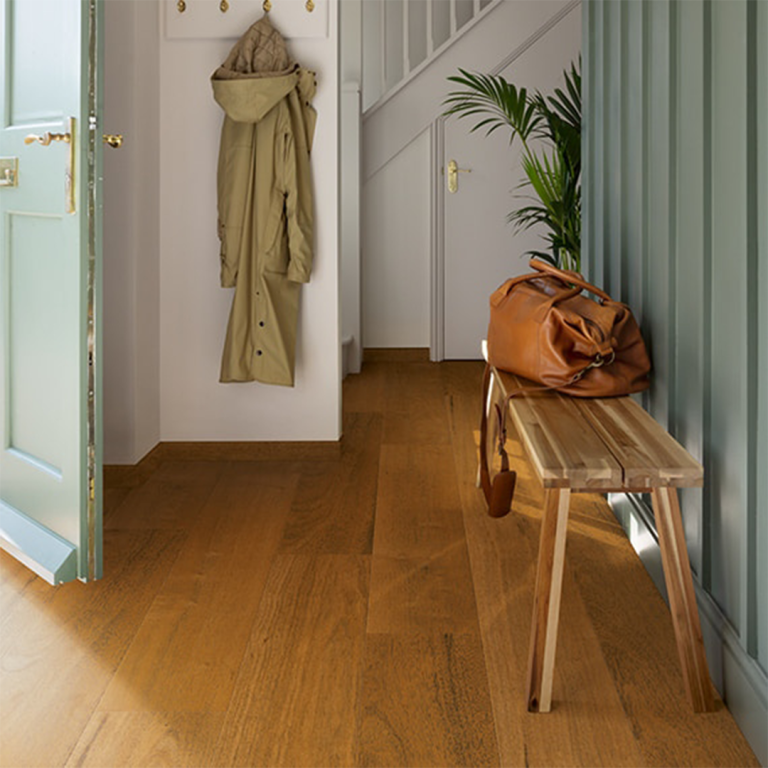


Hallways often endure the highest foot traffic in a home but can be overlooked when choosing the best flooring for hallways. Selecting the right material is crucial to ensuring both durability and aesthetic appeal in these busy spaces.
What Should You Look for in Hallway Flooring?
When choosing hallway flooring, several key factors should guide your decision. Durability is paramount, as these areas experience constant wear and tear. Resistance to dirt and ease of cleaning are also crucial, given the likelihood of mud and debris being tracked in. Opt for materials with high scratch resistance to maintain a pristine appearance. Additionally, the flooring should complement the adjoining rooms to create a cohesive look throughout your home.
Is LVT the Best Flooring for Hallways?
Luxury Vinyl Tile (LVT) stands out as an exemplary choice for high-traffic areas like hallways. Its exceptional durability ensures it can withstand the daily wear and tear typical in entranceways. Additionally, LVT is renowned for its ease of cleaning, making it particularly suitable for spaces where dirt and moisture are common.
Design flexibility is another significant advantage of LVT. Available in a myriad of styles and finishes, it can mimic the look of natural wood or stone, allowing homeowners to achieve their desired aesthetic without compromising on practicality.
Is Laminate Suitable for Hallways?
Laminate flooring is a robust option for hallways, designed to withstand high foot traffic and daily wear. Its tough, protective top layer resists scratches and impacts, making it an excellent choice for busy entranceways. One consideration, however, is moisture: hallways can be prone to wet shoes and spills. Ensuring proper installation with sealed edges can help mitigate potential water damage. Additionally, laminate is easy to clean and maintain, providing a practical yet stylish solution that can mimic the appearance of wood or stone without the associated cost.
What About Wood Flooring?
Wood flooring brings a timeless and elegant appeal to hallways and entranceways. Known for its natural beauty and warmth, wood offers a distinctive character that can enhance the overall aesthetic of your home. When properly maintained, wood flooring can last for decades, making it a long-term investment. Regular sweeping and occasional refinishing are essential to keep it looking its best. However, wood is more susceptible to scratches and moisture damage, so it’s important to choose a durable finish and assess the level of foot traffic in your hallway.
Should You Use Carpet in a Hallway?
Carpet can bring a sense of warmth and comfort to hallways, making them feel inviting and cosy. However, hallways are high-traffic areas, which means carpets can quickly show signs of wear and tear. Stains from dirt and spills can be more challenging to manage compared to hard flooring options. While carpets provide a softer underfoot experience, they’re not always the best flooring for hallways due to their susceptibility to staining and the need for frequent cleaning. If you do choose carpet, opt for durable, stain-resistant varieties and darker colours to hide dirt.
How to Choose the Right Hallway Flooring Colour
The colour of your hallway flooring plays a crucial role in setting the tone for your home. Light colours can make narrow hallways feel more spacious and airy, while dark hues add a touch of sophistication and hide dirt more effectively. Wood effects, such as oak or walnut, bring a natural warmth and can complement various interior styles. Patterns, including herringbone or chevron, add visual interest and can disguise everyday wear. Ultimately, selecting the right colour involves balancing aesthetics with practical considerations, ensuring your hallway remains both stylish and functional.
Should Hallway Flooring Match the Rest of Your Home?
Achieving a cohesive look in your home often involves coordinating the flooring throughout different spaces. When selecting flooring for hallways, evaluate how it will transition into adjoining rooms such as living areas or kitchens. Matching the hallway flooring with the rest of your home can create a flow that enhances the overall aesthetic. However, subtle contrasts can also be effective, particularly if your hallway serves as a bridge between distinctly styled rooms. Whether you opt for continuity or contrast, ensure the materials and colours complement the overall design scheme to maintain harmony and visual appeal.
Professional Hallway Flooring Installation
Proper installation is crucial to the longevity and appearance of your hallway flooring. It begins with thorough preparation: ensuring the subfloor is clean, level and dry. Expert fitting is vital for achieving a flawless finish, especially in high-traffic areas. Transition strips are also essential to provide a smooth and safe transition between different flooring types or rooms.
For professional installation that guarantees durability and aesthetic appeal, contact LT Flooring. Our skilled installers are ready to help you choose and fit the best flooring for your hallway. Reach out to us today to discuss your options.

